
Marilyn Monroe’s Greatest Act Had Nothing to Do With the Camera
In 1955, Marilyn Monroe used her fame to help book Ella Fitzgerald at LA’s Mocambo club — a story of friendship, compassion, and quiet courage on civil rights.
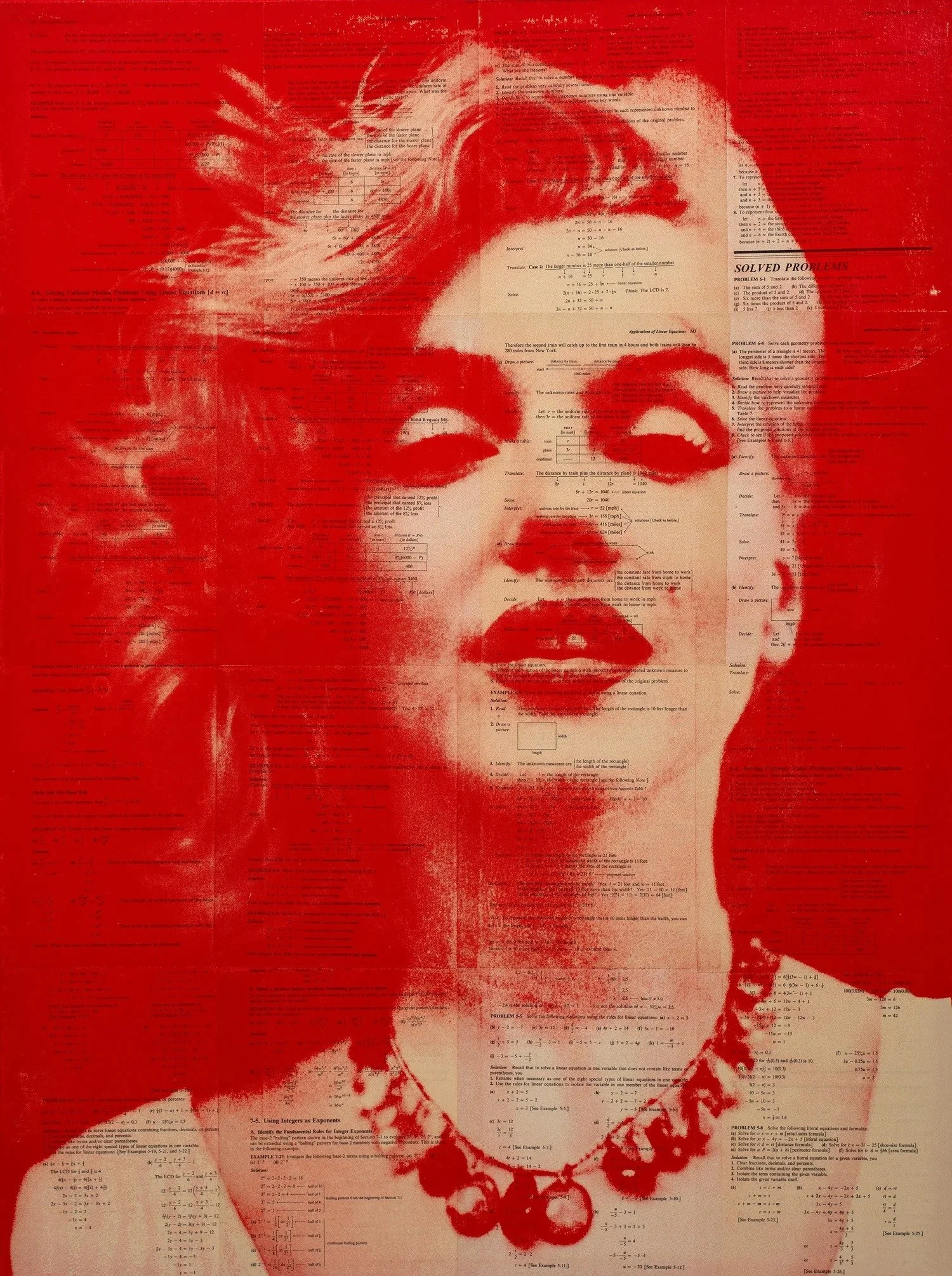
Marilyn Monroe
In 1955, one phone call from Marilyn Monroe changed the course of Ella Fitzgerald’s career. Here’s what really happened.
We tend to remember Marilyn Monroe as an image: the white dress, the platinum waves, the breathy voice. What gets left out of the poster version is that she was also generous, self-aware, and — for a white movie star at the height of 1950s segregation — quietly brave. One of the clearest examples is her friendship with the great jazz singer Ella Fitzgerald.
Two icons, two very different careers
By the mid-1950s, Ella Fitzgerald was already widely regarded as one of the finest vocalists alive. Yet because she was a Black woman in a segregated America, many of the most prestigious clubs still wouldn’t book her. Talent was never the question. The doors simply weren’t open the same way they were for white performers.
Marilyn, meanwhile, was one of the most famous faces on the planet — and, by her own account, a devoted student of Fitzgerald’s records. She reportedly credited Ella as a major influence on her own singing, listening to her albums over and over while preparing for roles.
The Mocambo story
The most famous chapter of their connection took place at the Mocambo, a fashionable Hollywood nightclub. As Fitzgerald later told it, Marilyn personally called the owner and pressed him to book Ella, promising that if he did, she would take a front table every single night. The owner agreed, Ella played the engagement, and the press attention that followed helped push her toward a new level of mainstream stardom.
Ella herself put it plainly in later interviews, remembering Marilyn as an unusually kind woman who was, in her words, ahead of her time — and crediting her with a real turn in her career.
A historian’s caveat worth keeping honest: Fitzgerald was already a star before that night, and some details of the story have been gently mythologized over the decades. But the core is true and well documented — Marilyn used her fame and her presence to open a door that was being held shut, and she did it at a moment when plenty of stars stayed silent.
Compassion as a kind of courage
That instinct wasn’t a one-off. The people around Marilyn often described someone far more thoughtful and socially aware than her public image allowed. She read constantly, she was drawn to people the industry overlooked, and she used what leverage she had on behalf of others.
In an era when speaking up carried real professional risk, choosing to sit at the front table — visibly, repeatedly, for a Black artist who’d been turned away — was its own quiet statement. It’s easy now to call it obvious. In 1955 it wasn’t.
Why she still belongs on the wall
This is the part of pop art worth lingering on: the icons we hang on our walls were real people who made real choices. A portrait of Marilyn isn’t just glamour — it’s a portrait of someone complicated, curious, and more generous than history’s shorthand suggests. And the story behind that generosity runs straight through one of the greatest voices in American music.
If you want a piece of that story for your own space, the Marilyn Monroe Painting (silkscreen on canvas, 40 × 30 in) captures her in bold red — ready to hang, signed on the back, and shipped fully insured. It’s a portrait of the woman behind the legend: striking, warm, and impossible to look away from.
Browse more original celebrity pop art and archival fine art prints in the shop, or commission a custom portrait of your own icon.